


Museum of Armenian Genocide
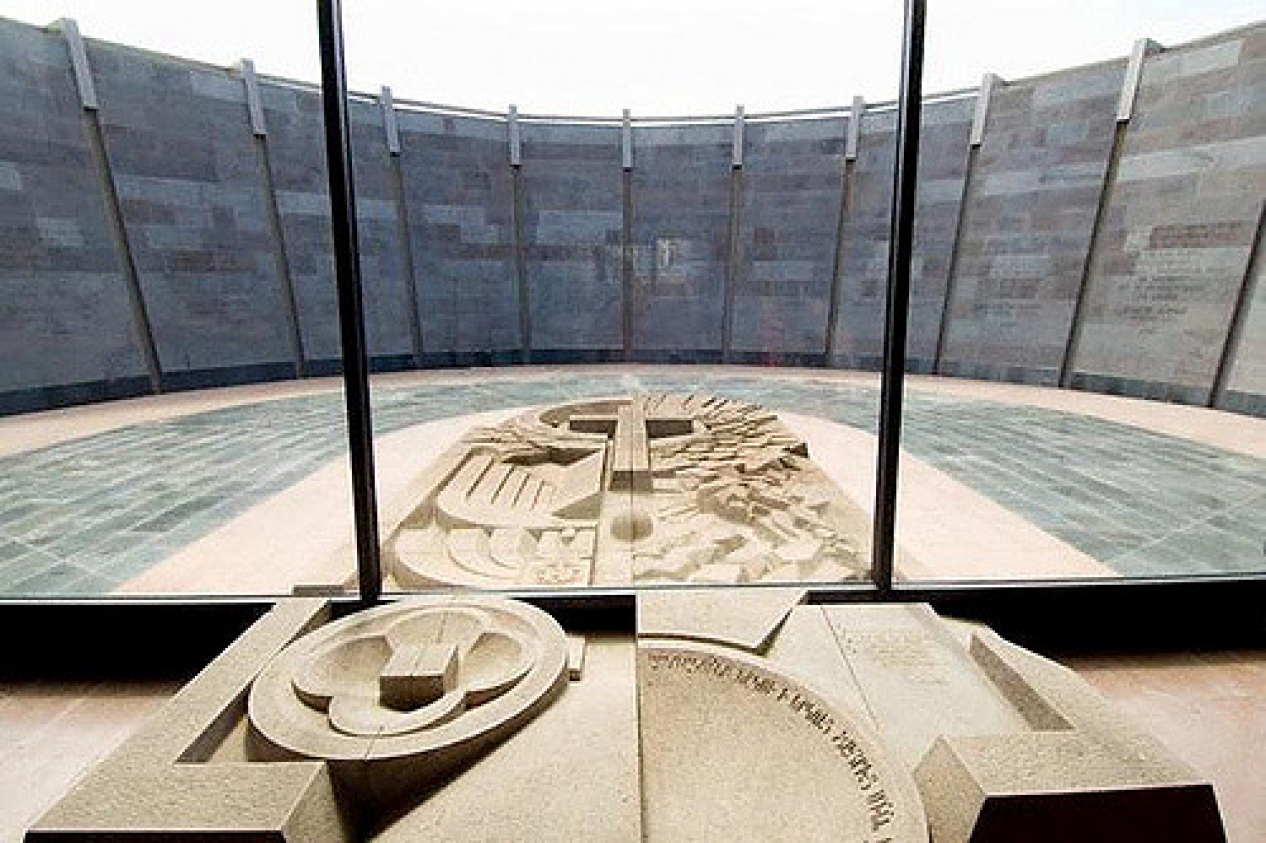
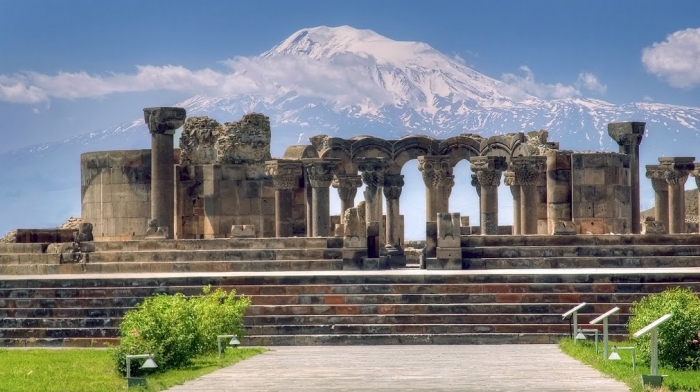
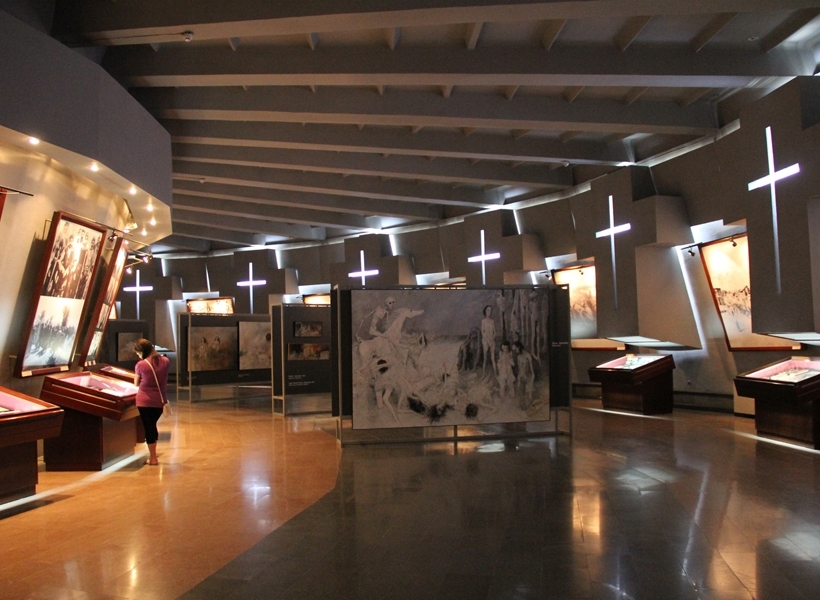
The Genocide Monument is designed to memorialize the innocent victims of the first Genocide of the 20th century. The Genocide Museum’s mission statement is rooted in the fact that understanding the Armenian Genocide is an important step in preventing similar future tragedies, in keeping with the notion that those who forget the past are condemned to repeat it. The Armenian Genocide Museum opened its doors in 1995, concurrently commemorating the eightieth anniversary of the Genocide. The Museum structure, planned by architects S. Kalashian, A. Tarkhanyan and sculptor F. Araqelyan, has a unique design. During the decennial activity the Museum received many visitors including schoolchildren, college students and an unprecedented number of tourists both local and abroad. The Republic of Armenia has made visiting the Armenian Genocide Museum part of the official State protocol and many foreign official delegations have already visited the Museum. These delegations have included, Pope John Paul II, President of the Russian Federation V. Putin, President of the Republic of France J. Shirak, and other well-known social and political figures. The impressive two-story building is built directly into the side of a hill so as not to detract from the imposing presence of the Genocide Monument nearby. The roof of the Museum is flat and covered with concrete tiles. It overlooks the scenic Ararat Valley and majestic Mount Ararat.
Gallery


http://eltravelclub.am/en/attractions/museums-galleries/item/239-museum-of-armenian-genocide#sigProId657b4d2c17